


Get Paid by Global Clients in INR at a Transparent 0.5% Flat Rate
You raise an invoice in the currency your client is used to and your client pays it locally in their own country.
- Global-standard payment rails
- T+2 settlement
- RBI-compliant remittance
- 0.5% Flat fee vs 3-4% your bank takes
- T+2 Settlement, every time
- 200+ Freelancers getting paid
- 6 Currencies supported
Built for Indian freelancers working with global clients
If you invoice in New York, London, or Berlin and get paid into an Indian bank account — these are the four reasons people move to us.
-
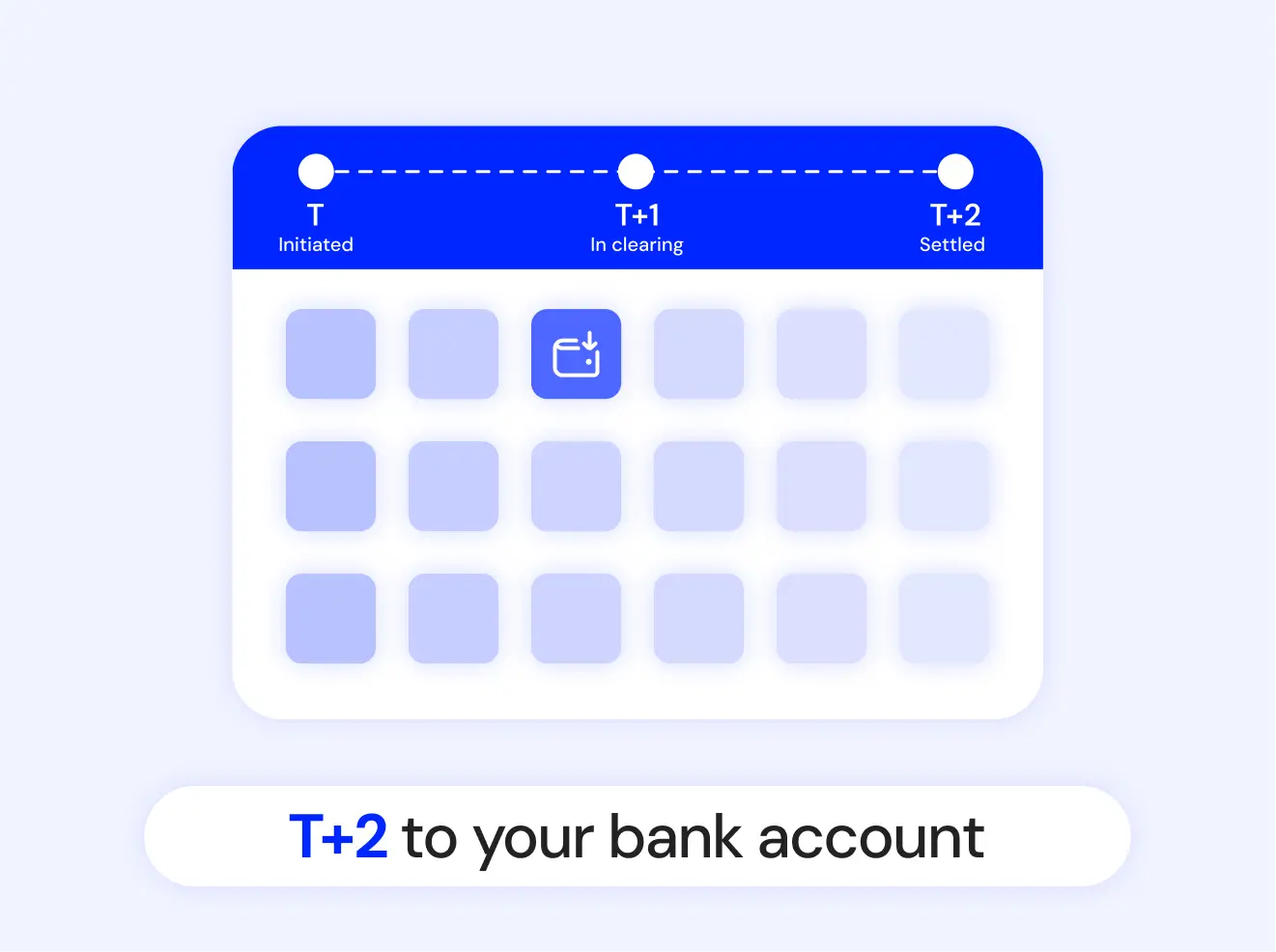
Get paid fast
Money lands in your account within two business days.
-
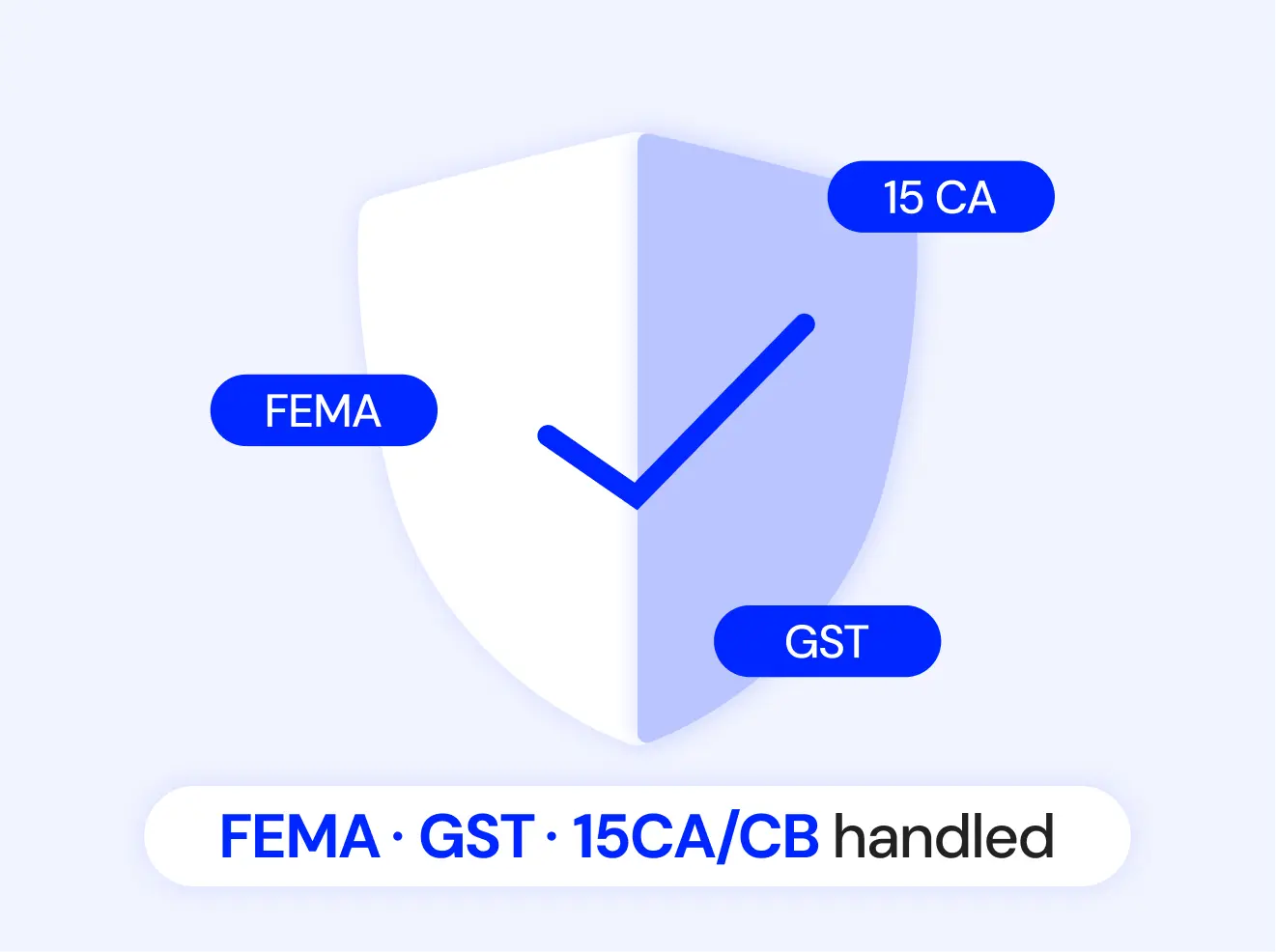
Stay fully compliant
All paperwork fully sorted so that you can focus more on the work.
-
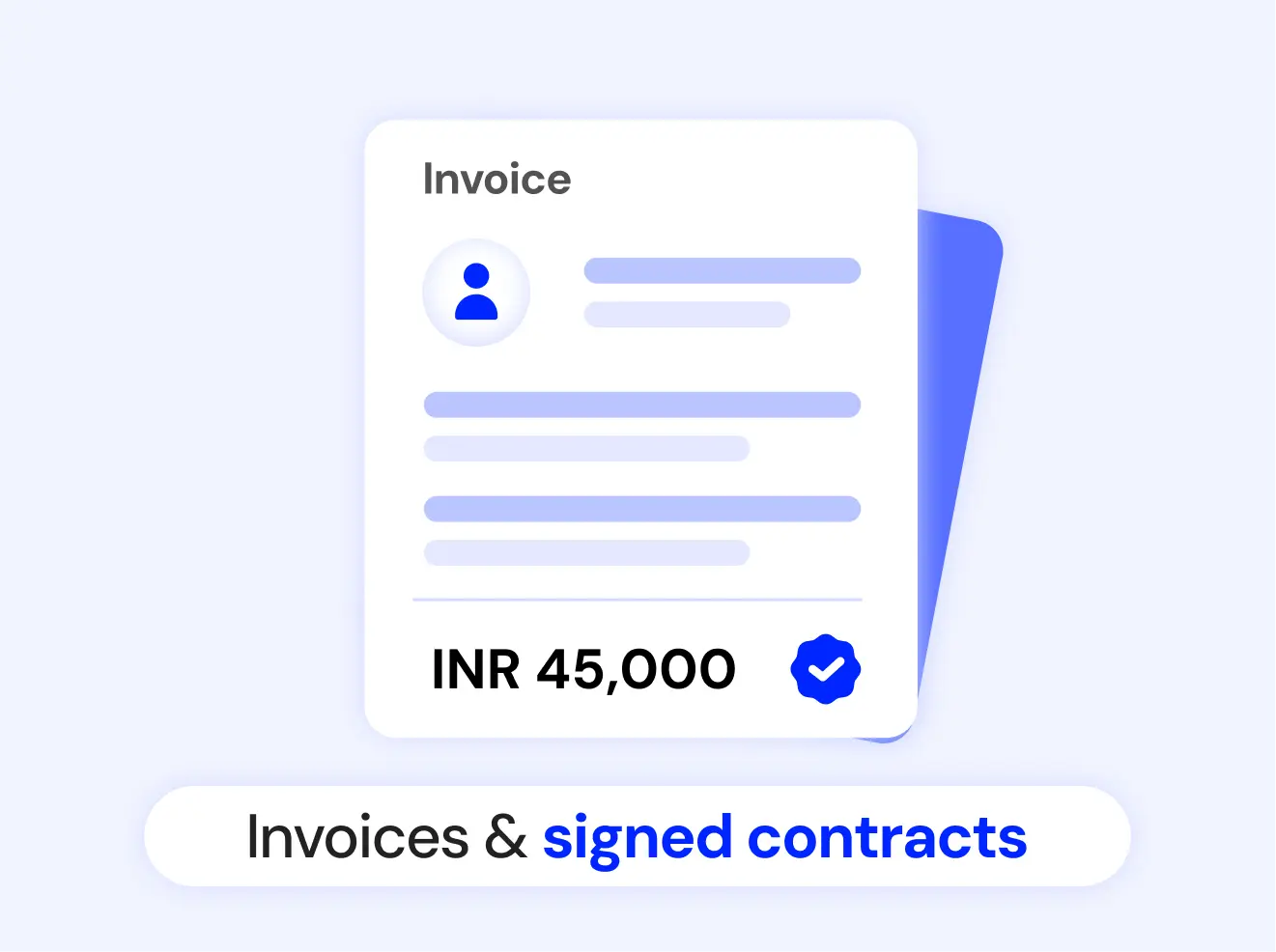
Work as a proper business
Send real invoices, sign real contracts, keep real records.
-
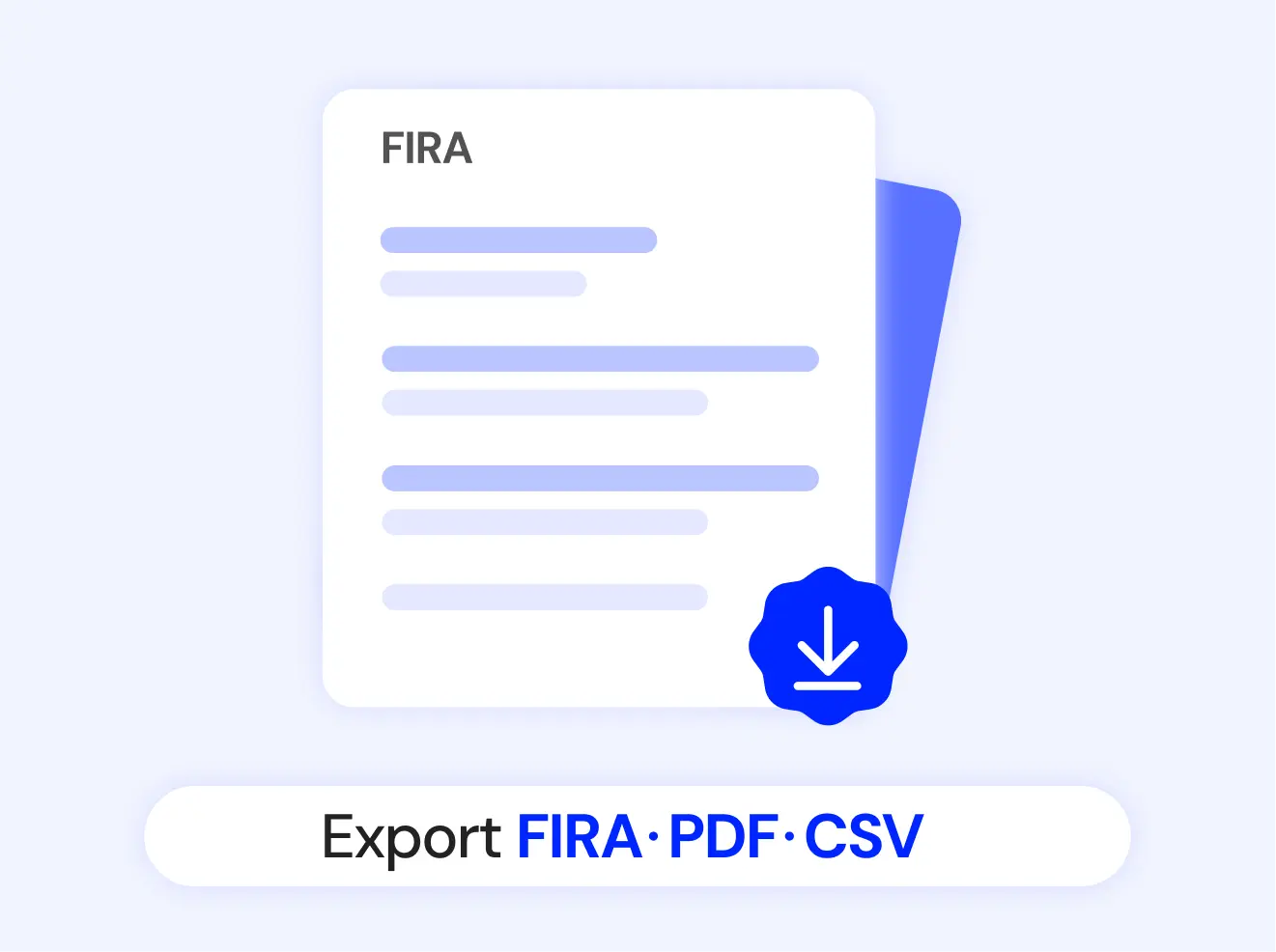
Keep a clean audit trail
Every invoice, FIRA, and filing in one dashboard.
Your current setup is quietly costing you more than you think
Most freelancers have no idea how much of every invoice is being skimmed off before it reaches their account. Here is what is actually happening, and why it is worth changing.
- 01 · The fees
Your bank is the most expensive part of the transaction
Between the foreign exchange spread, the correspondent banking fee, and the incoming wire charge, a typical Indian bank takes three to four percent off every international payment. Our flat fee is 0.5 percent, and we do not mark up the exchange rate.
0.5% flat — up to ₹15,000 saved per invoice - 02 · The paperwork
Paperwork you don’t need to worry about
Most banks treat FIRA as a favour rather than a service, and only after you chase the relationship manager for a fortnight. Every payment through us arrives with its FIRA already issued, in T+2, at no extra charge.
FIRA auto-issued in T+2 - 03 · The overhead
You are running a finance team of one
Invoices, GST, TDS, quarterly filings. None of it is difficult on its own, but together it quietly takes hours every week. We handle all of it in the background so you can spend the time on paid work instead of paperwork that pays no one.
All filings, handled quarterly
What you get with the account, all in the same place
Your account covers everything a freelancer needs to run a clean, professional practice with international clients.
Global receiving accounts
Your account comes with receiving details in six major currencies, so your client pays the way they pay their other local vendors, and the rupees land in your Indian bank account in two days.
GST-compliant invoicing
Every invoice you send is formatted the way the Indian tax department wants to see it, with the correct SAC codes, LUT reference where applicable, and the purpose code for the foreign remittance already filled in.
Instant FIRA on every settlement
The foreign inward remittance is issued automatically whenever a payment is credited, for no additional fee, and is waiting in your inbox inside T+2.
Quarterly compliance handled
The GST filing, the TDS reconciliation, and the income-tax paperwork that goes with running an export practice is handled on your behalf every quarter, so you are never scrambling at year-end.
Work directly with your clients on a contract that actually holds up
As a freelancer, your job is the work. The contract, the invoice, the FX, the FIRA, the GST, the filings.
-
Signed in minutes
Pre-filled templates for NDAs, statements of work, retainers, and milestone engagements.
-
Payment terms written into the contract
Invoice schedule, due dates, late-payment clause, and currency are all agreed upfront.
-
Milestone releases for larger projects
For bigger engagements, the contract can specify milestone payments your client authorises as each deliverable is accepted.
-
Upgrade to contractor or EOR when it grows
When your client wants a longer-term arrangement, you upgrade on the same platform without re-onboarding, re-signing, or losing your payment history.
This is how you route your invoices via us
From the moment you sign up to the moment your first international payment lands in your Indian bank account is about a week. Here is what happens at each stage.
Sign up and create contract
We collect your KYC, PAN, and bank details, issue your international receiving accounts, and walk you through GST registration if you need it.
Raise invoices
You send your client a foreign-currency invoice from the dashboard, and we automatically generate the matching INR invoice that your books need.
Receive funds
Your client’s payment clears into our receiving account, the remittance is processed under a valid FEMA purpose code, and the rupee equivalent lands in your Indian bank account.
Stay compliant
We handle the GST filing, the TDS reconciliation, and the tax paperwork every quarter. Your FIRAs, invoices, and remittance references sit in one place for whenever you need them.
Questions freelancers ask us first
Can I use this if I work with several clients in different countries?
Yes. The dashboard consolidates invoices, payments, and FIRAs from every client you work with, across every currency and country. The quarterly filings are prepared on the aggregate rather than one per client, so the admin does not multiply with the number of clients you add.
How fast does the setup actually take?
The account itself is live within a business day. Getting your international receiving accounts and GST registration in place takes up to seven days, most of which is the GST registration processing at its own pace. You can start raising and sending invoices the same day you sign up.
Does my client need to change anything about how they pay me?
No. Your client receives a foreign-currency invoice from you, pays it into a local account in their own currency, and does nothing differently from how they would pay any other vendor. They never see anything labelled India, Wisemonk, or cross-border.
Is GST registration mandatory for me?
GST registration is mandatory once your annual turnover crosses ₹20 lakh. Below that it is optional, though we generally recommend registering anyway because it simplifies your export paperwork, makes your invoices look more professional to enterprise clients, and keeps your books ready the moment you cross the threshold.
How is this different from PayPal, Wise, or Payoneer?
Those are payment rails. They move money from one place to another and stop there. We do the movement as well, at a lower rate and with FIRA on every payment, and on top of that we handle the GST and TDS filings, give you a proper contract layer for working directly with clients, and keep everything in one audit-ready dashboard your CA can actually use.
How does this affect my income-tax filing?
Your export income remains your export income, and we provide a consolidated annual summary formatted for your ITR. Most freelancers use it to file directly, others forward it to their CA as is. Either way, nothing about your tax residency, slab, or filing process changes.
What if I already have an existing business or GST number?
You can use the existing entity. During onboarding we link your existing PAN and GST number, and every invoice, FIRA, and filing goes out against that entity.
Still have a question?
Talk to our team and we will walk you through how Wisemonk would work for your specific setup.
Start receiving payments in the most seamless way
Getting set up takes under an hour of your time, spread across the first week. There is no commitment, no setup fee, and no minimum monthly volume. You can start raising invoices the same day you sign up.
